

FDIC-Insured - Backed by the full faith and credit of the U.S. Government


3 Tips for Justifying Your Ski Spending
For any enthusiast, it’s easy to overlook the increasing costs when faced with the thrill of fresh powder or the taste of a warm drink après-ski.
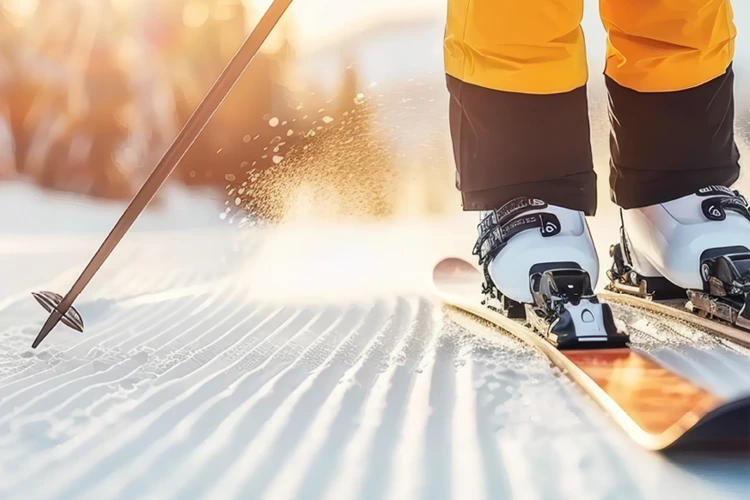
You may have heard (or have direct experience to prove) that skiing is an expensive sport. For any enthusiast, it’s easy to overlook the increasing costs when faced with the thrill of fresh powder or the taste of a warm drink après-ski. At the end of the day, “expensive” is relative to what you planned to spend.
Before you book your next adventure, consider these tips to keep your ski spending in line.
1. Assess Your Investment
Just how much does your hobby cost? Check your receipts for an honest look at what you’ve already invested. Review your favorite vendors for equipment and gear costs, and check your calendar to capture expenses from the places you’ve visited.
Once you have a clear picture of what you’ve generally spent in the past, you can decide how much you’d realistically allocate toward ski moving forward.
2. Make a Budget
Now you have a clear picture of your finances, think about some of your goals.
In the short term: Do you have any new gear or trips already on your calendar or a kit wish list?
Long term: Do you want to visit a specific high-cost location? Always have the most current gear? Go on a specific number of trips each year? Purchase a property in one of your favorite ski areas?
Now let’s start to assign a value to these items. Say you’re just looking to budget for a local trip this year. Here’s an example budget for a trip to the American Birkebeiner in Hayward, Wis.
Travel: Transportation to and from the ski destination. $50-$500
Accommodation: Lodging costs during your stay. $200-400 per night (depends on group size and proximity to the event)
Registration fees: $120 - $250 (varies by event)
Equipment: $400+ if renting
Food: Meals and snacks during the trip. $400+
Miscellaneous: Any other expenses such as lessons or après-ski activities or souvenir gear. $200
Total: $2,300+
You could easily spend upwards of $4,000 for a couple. This example illustrates the importance of planning ahead to find your level of sustainable ski spending.
3. Save Strategically
To save on costs, consider booking in advance, looking for deals, and taking advantage of off-season discounts. Additionally, look for group discounts or share accommodations with friends to reduce costs.
You can also try these specific saving strategies:
Set up a dedicated savings account exclusively for ski. Sometimes it’s easier to protect your savings when you keep “fun funds” out of sight. You can even automate contributions by setting aside a fixed amount from each paycheck.
Leverage your credit. Look for programs that offer points on everyday items or travel-related expenses to get rewarded for purchases you’d make anyway. Just remember to pay off your balances to avoid high fees.
Go beyond basic. If these tips seem elementary, perhaps it’s time to talk to a banker or local advisor who can help you make a plan tailored to your goals.
When you budget for fun and save strategically, you can enjoy frequent ski trips while safeguarding your long-term financial goals.


Cookie Settings
Frandsen Bank & Trust collects information like cookies to give you the best possible experience online. For example, cookies help us remember your preferred bank location every time you visit. You can choose to accept all cookies or limit usage to essential cookies only.
View our Cookie Policy to better understand what data we collect and how we use it.