

FDIC-Insured - Backed by the full faith and credit of the U.S. Government


How to Identify Fake Checks
Practical tips for identifying fake check scams.
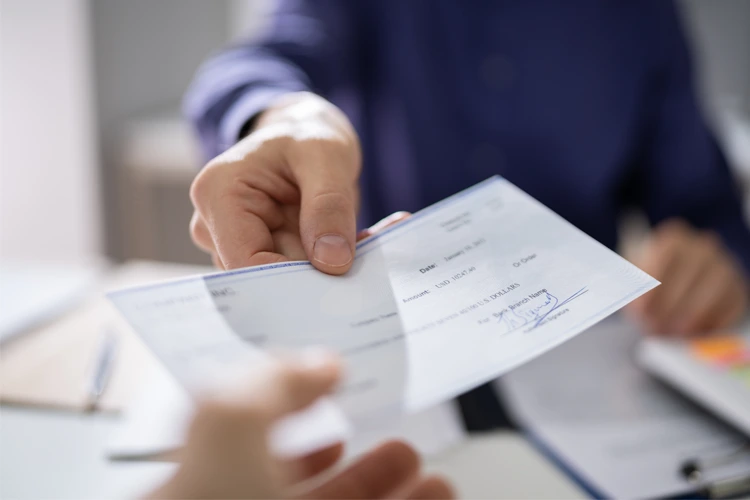
Check fraud is a global concern, making it essential to safeguard your hard-earned money from scammers. Counterfeit checks can easily slip through the cracks, leaving you vulnerable to financial loss if you fall for their deceitful schemes. Here are practical tips for identifying fake check scams.
Are You Expecting a Check?
The chances of someone receiving a lottery or sweepstakes prize by mail are unlikely. Scammers want you to act out of impulse. Take a moment and think about the situation because, often enough, consumers will realize the harmful intent. Do not accept checks from unsolicited and unknown sources.
Unusual Requests
Did the check include a letter requesting repayment via money transfer apps, wire transfers, prepaid cards, or money orders? Legitimate lottery, prize-winnings, or jobs will not ask this.
Inspect the Check
Does the check have any of the following?
Missing signature
Missing bank logo
Missing watermarks
Missing padlock icon
Misspelled words
Inaccurate personal details
Personal Details
Does the payee, business, or personal address look familiar? Uncertainties can be resolved by conducting an internet search to help reveal unidentified concerns. Consumers can also use the Better Business Bureau to search for the company name and location via their website. If any of these details are not accurate, do not deposit the check and report the issue to your local police department.
What to Do With a Fraudulent Check
If you suspect fraud, report lottery, prize-winning, and other fake check scams to the Federal Trade Commission at ReportFraud.ftc.gov. Consumers should also report the incidents to the local police department, your bank, and the U.S. Postal Inspection Service.


Cookie Settings
Frandsen Bank & Trust collects information like cookies to give you the best possible experience online. For example, cookies help us remember your preferred bank location every time you visit. You can choose to accept all cookies or limit usage to essential cookies only.
View our Cookie Policy to better understand what data we collect and how we use it.